





In Terre d'Argence, the olive tree is part of the landscape and the Provençal way of life. Around Beaucaire, olive growers perpetuate a tradition deeply rooted in the Gard, notably thanks to the Picholine, an emblematic olive variety of the region.
Harvested to be enjoyed as an aperitif or transformed into oil, olives reveal the full richness of this Mediterranean terroir. Nîmes olive oil benefits from a Protected Designation of Origin (PDO) which highlights its origin and the expertise behind its production.
Want to discover these local flavors? Go and meet the producers and discover what makes the olive oil of the Gard so unique.


Nîmes PDO olive oil: the characteristics of a terroir
The first olive oil to be awarded a PDO (Protected Designation of Origin) in France, Nîmes olive oil is a symbol of Gard expertise. Produced primarily from the Picholine variety, it seduces with its intense aromas, slight bitterness, and distinctive fruity flavor. Produced in accordance with tradition, this oil reflects the identity of a terroir bathed in sunshine and the mistral wind. A guarantee of quality and origin, the PDO (Protected Designation of Origin) ensures rigorous traceability, from orchard to mill.
The olive tree: a Mediterranean symbol with Gard roots
In the Gard region, the olive tree is at home. It thrives under the generous sun and the sometimes capricious mistral wind, anchoring itself in a limestone terroir ideal for its development.
A tree of peace, wisdom, and longevity, it embodies Mediterranean identity. Here, countless generations have grown up in the shade of its gnarled branches, their hands dipped in freshly pressed olive oil.

The Gard department isn't the leading olive producer in France, but it's nonetheless a region of excellence. Every year, thousands of liters of extra virgin olive oil are produced here, respecting tradition. The Gard mills, often family-run, perpetuate ancestral expertise that attracts more and more gourmets and chefs.
Local olive growing is also certified: Nîmes olive oil benefits from a Protected Designation of Origin (PDO) , a guarantee of quality and traceability.
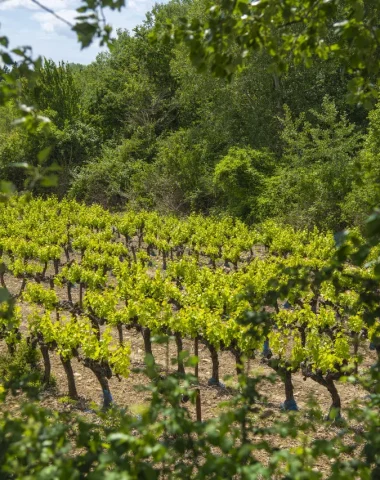
Around Nîmes, Beaucaire, Uzès and Sommières, olive groves create landscapes that are as aesthetic as they are nourishing. Far from intensive agriculture, here we are talking about sustainable cultivation, short supply chains, respect for the land and promotion of heritage.
Festivals are dedicated to it, such as the traditional Olive Festival in Corconne, the Picholine Festival in Marguerittes, or the Olive Festival in Bellegarde. It's an opportunity to taste, share, and rediscover everything this legendary tree has to offer: olives, oils, soaps, tapenades, and more.
The Picholine, the emblematic olive of the Gard region
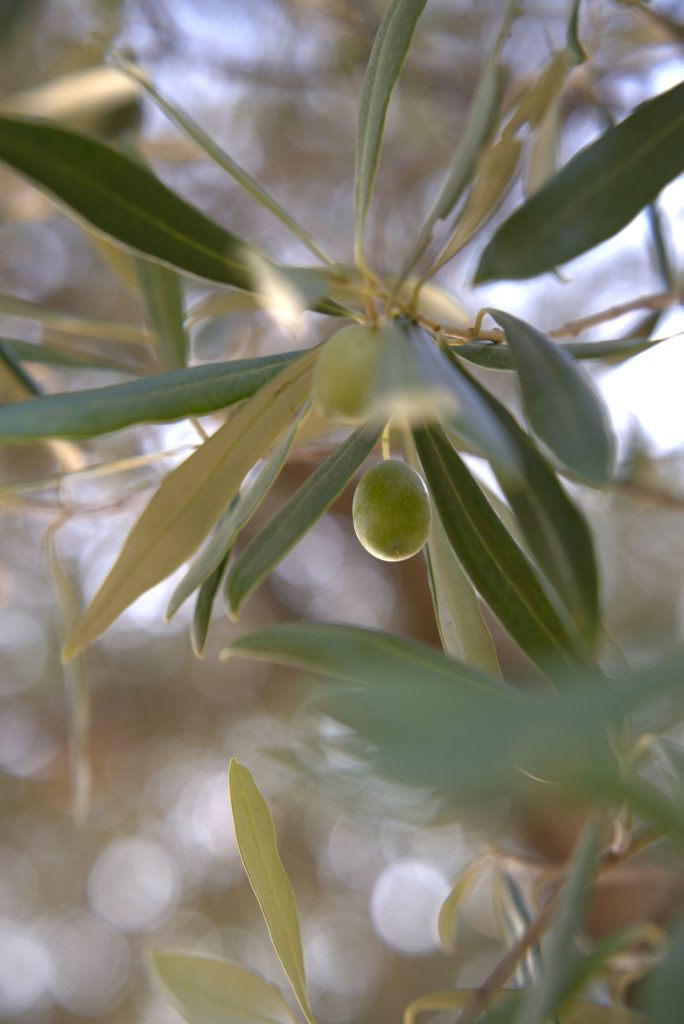
If one variety were to represent the Gard region, it would be this one: the Picholine. Small, green, crisp, and slightly peppery, it is as delicious as an appetizer as it is excellent as oil. Originally from Saint-Chamas in Provence, it has found an ideal home in the Gard. Today, it is the most widely cultivated variety in the department. Its distinctive character makes it a true ambassador for local produce. In the Terre d'Argence region, the 2B cooperative (Beaucaire and Bezouce) promotes this olive and its oil, which regularly wins awards at olive oil competitions.
Where can I find olive oil in Terre d'Argence?

The “2B Coop” in Beaucaire
In Beaucaire, the 2B Cooperative brings together passionate olive growers around traditional expertise. Each year, it presses local olives, primarily the Picholine variety, to produce an extra virgin olive oil with an authentic taste. Committed to a sustainable and local approach, the cooperative promotes the richness of the terroir and offers oils, tapenades, and local products for direct sale. A place of sharing, taste, and passion.
Olive oil producers of Terre d'Argence
Find quality olive oils and related products from our passionate producers.


How to taste olive oil from the Gard region?
Tasting olive oil isn't innate! Here are our practical tips for tasting Nîmes PDO olive oil like a pro.
Apparently, it's making Parisians cough!

As with any tasting, odors can interfere with the perception of aromas. Therefore, the tasting environment should be as neutral as possible (avoid smoking, wearing perfume, or drinking coffee before the tasting...).
The best times for olive oil tasting are late morning.
Temperature plays a crucial role in tasting: professionals taste it at 28°C. Tasting olive oil is truly an art!
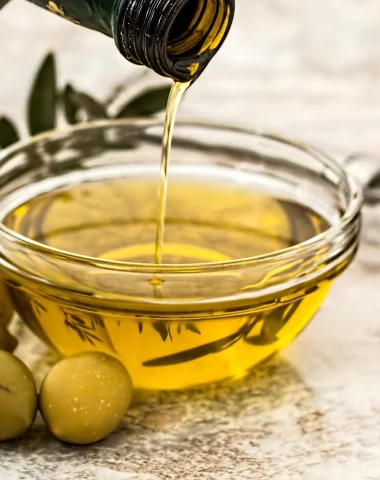
An olive oil tasting is very similar to a wine tasting. It is tasted in a glass that is ideally colored so as not to be influenced by the color of the oil, in which it is swirled so that it coats the entire side of the glass.
Next, we move on to smelling the aroma, taking quick inhalations, repeating this until all the aromatic notes have been identified. Then, we vary the distance between our nose and the glass to separate all the scents.
Fruitiness is identified by smell.
It can be green and evoke aromas of cut grass, artichoke or tomato leaf, or ripe and recall aromas of dried fruit and flowers.
In the mouth, as with wine, you need to absorb oil and air. So you need to make some noise! You should take the equivalent of a small teaspoon of oil into your mouth.
The two pillars of a good olive oil are bitterness, which is perceived on the sides and back of the tongue, and pungency, which is felt as a tingling sensation at the back of the throat.
That's what's making Parisians cough! 🤭

FAQ: Olive trees and olive oil in Provence
What is the emblematic olive variety of the Gard region?
The Picholine is the emblematic olive variety of the Gard region. Recognizable by its green color and crisp texture, it offers a fruity and slightly peppery flavor. It is enjoyed as an aperitif, but is also used to produce distinctive olive oils, notably the AOP olive oil of Nîmes.
What is Nîmes PDO olive oil?
Nîmes PDO olive oil is produced in a defined geographical area, according to a set of specifications that guarantee its origin and regulate its production. It is notably made from the Picholine variety. It is distinguished by its fruitiness, intense aromas, and notes of bitterness and peppery finish.
Where to buy local olive oil in Terre d'Argence?
In Beaucaire, the 2B Cooperative offers olive oils, tapenades, and other local products. To discover the flavors of the Terre d'Argence region, you can also contact local producers and specialty shops. Remember to check opening hours before your visit.
When are olives harvested in Provence?
Olive harvesting generally takes place in the autumn and early winter, depending on the variety, the weather, and the desired outcome. Olives intended for eating fresh can be harvested earlier, while those destined for oil production are picked at different stages of ripeness, which influence the aromas and flavor profile of the oil.
Where to take your olives to make oil in Gard?
You can take your olives to the mill nearest to you. In Beaucaire, the Coop des 2B olive oil cellar welcomes individuals.
